

Reviews
Shadow Spotter: Urban Accuracy offers a refreshing change of pace from fast-paced arcade titles. Its core mechanic of scanning a dark cityscape for hidden targets is simple to understand but surprisingly engaging. The limited attempts per stage force thoughtful decision-making, and the three-star rating system provides a clear goal for mastery. The gentle difficulty curve ensures accessibility for all ages, while the pursuit of perfect scores keeps experienced players coming back. This is a well-crafted puzzle experience that respects the player's time and intelligence.
About this game
Core Gameplay Loop
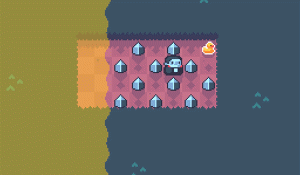
In Shadow Spotter: Urban Accuracy, each stage presents a dimly lit urban setting filled with concealed objects and figures. Players use a targeting reticle to sweep the environment, looking for highlighted points of interest. The interface clearly indicates which specific target must be selected to progress. With a limited number of attempts per stage, every click carries weight. This design encourages a methodical approach rather than rapid tapping, as rushing often leads to wasted moves. The satisfaction comes from identifying the correct target on the first try and advancing without errors.
Level Structure and Difficulty
The game includes a series of stages, each with its own layout and arrangement of hidden items. Early levels introduce basic layouts with fewer distractions, allowing players to get comfortable with the scanning and selection mechanics. As the player progresses, environments become more cluttered, and targets are placed in less obvious locations. Some stages require the player to identify multiple targets in sequence, adding a memory component to the observation task. The difficulty curve is gentle but consistent, ensuring that new players are not overwhelmed while experienced players remain engaged.
Star Rating and Replay Value
After completing a stage, players receive a rating of one to three stars based on how few attempts were used. Achieving a perfect three-star rating requires completing the stage without any incorrect selections. This system motivates players to revisit earlier levels and refine their approach. The star rating is not just a cosmetic reward; it serves as a clear measure of mastery. For those who enjoy optimizing their performance, the pursuit of full stars across all stages adds considerable longevity to the experience.
Visual Design and Atmosphere
The dark city theme is more than a backdrop; it is integral to the gameplay. The limited visibility forces players to rely on the targeting tool rather than their peripheral vision. The art style uses muted colors and soft lighting to create a calm, focused atmosphere. There is no sense of urgency or threat, which keeps the experience family-friendly. The visual design supports the core mechanic without becoming distracting or overly complex, making it suitable for casual play sessions on mobile or tablet devices.
Compatibility
▸ Desktop: Chrome / Edge / Firefox / Safari
▸ Mobile: iOS Safari / Android Chrome
▸ Tablet: iPadOS Safari / Android Tablet Browser
Keep your browser updated for the best experience
Faq
Is Shadow Spotter: Urban Accuracy free to play or does it cost money?
The game is typically available as a paid download or may include optional in-app purchases. The exact pricing model depends on the platform store. Check the listing on your device's app store for the most current information regarding cost and any available trial options.
Can I play Shadow Spotter: Urban Accuracy on a tablet?
Yes, the game is designed for both mobile phones and tablets. The touch controls and interface scale appropriately for larger screens, ensuring a comfortable experience regardless of your device size. The targeting mechanic works well with touch input on any screen size.
Does the game require an internet connection to play?
Shadow Spotter: Urban Accuracy is primarily a single-player offline experience. Once downloaded and installed, most of the content can be accessed without an active internet connection. Some features like leaderboards or cloud saves may require connectivity, but the core gameplay does not.
How long does it take to complete all the stages?
The total playtime depends on your skill and how many stages you replay for better ratings. A focused player might finish all stages in a few hours, but achieving three stars on every level can take significantly longer. The game offers enough content for several sessions of casual play.
Are there any time limits or timers in the game?
No, Shadow Spotter: Urban Accuracy does not use timers. The only limitation is the number of attempts allowed per stage. This design choice removes pressure and allows players to take as much time as needed to scan the environment and plan their moves carefully.
Is the game suitable for young children?
Yes, the game is designed to be family-friendly. There is no violent content, disturbing imagery, or complex language. The challenge comes from observation and patience, not from reflexes or mature themes. Children as young as six or seven can understand and enjoy the gameplay.







Comments
0 comments