
Reviews
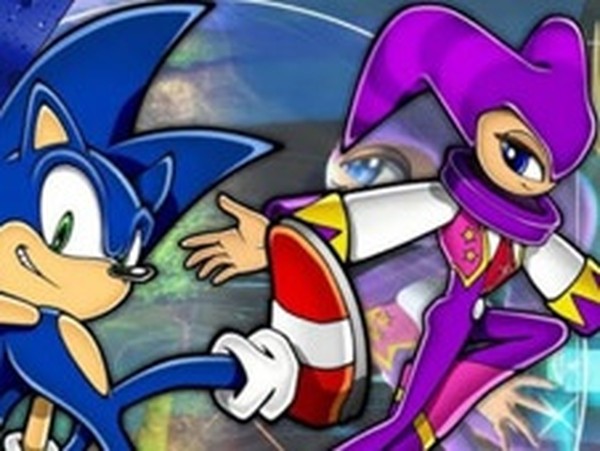
Sonic and Nights: Starfall Quest succeeds where many fan games falter by delivering a polished turn-based RPG experience. The combat system is simple yet strategic, with the Overdrive mechanic adding tension to every boss fight. The story, while straightforward, gives purpose to exploration and character progression. The visuals capture the spirit of the source material, and the soundtrack enhances the atmosphere. It is a respectful homage that stands on its own merits, providing a satisfying adventure for those who enjoy classic RPG mechanics with a familiar cast.
About this game
Story and Setting
The narrative places Sonic and Nights on a world where a harsh ruler has seized control. Citizens live under constant watch, and the duo must navigate through varied environments to challenge this regime. The plot unfolds through cutscenes and dialogue, giving each area a sense of purpose. From shadowy forests to mechanized cities, the locations reflect the struggle for freedom. Players advance by completing objectives that push the story forward, revealing more about the ruler's motives and the allies who join the cause.
Turn-Based Combat System
Each encounter uses a turn-based format where Sonic and Nights act independently. Standard attacks deal consistent damage, while magic abilities offer higher output at the cost of resource management. A special move, the Overdrive, provides a temporary surge in power but can only be used a limited number of times per battle. Enemies have distinct patterns, and success depends on choosing the right action at the right moment. Defeated foes grant experience points, which contribute to leveling up and improving stats.
Character Progression and Growth
Both Sonic and Nights gain experience from victories, leading to increased attack and magic power. Leveling up also unlocks new abilities, though the exact skills depend on how players allocate their focus. Balancing the growth of both characters is important, as later areas require both to be effective. There are no branching skill trees, but the linear progression ensures steady improvement without overwhelming complexity. Hidden items found in exploration can provide additional boosts or restore resources.
Exploration and World Design
The game features several distinct zones, each with its own visual theme and set of challenges. Paths may branch, leading to optional areas with treasure or lore. Some sections require solving simple puzzles or finding keys to progress. The environments are designed to encourage thorough searching, as secret rooms often contain useful equipment or story fragments. The world feels connected, with earlier areas becoming accessible again for revisiting missed content.
Strategic Depth and Difficulty
While the core mechanics are easy to grasp, the game introduces tougher opponents that demand careful planning. Boss encounters, in particular, test the player's understanding of each character's strengths. Using Overdrive at the right moment can turn a difficult fight, but wasting it early leaves the party vulnerable. Enemy attack patterns become more varied, requiring players to adapt their strategy. The difficulty curve is gradual, giving newcomers time to learn without punishing mistakes too harshly.
Visual and Audio Presentation
The art style uses bright colors and clear character sprites, making it easy to follow the action. Animations for attacks and magic are smooth, adding flair to battles. The soundtrack matches the mood of each area, from upbeat themes in safe zones to tense tracks during confrontations. The interface is clean, with health bars and action menus displayed clearly. Overall, the presentation supports the gameplay without distracting from it.
Compatibility
💻 Desktop | 📱 Mobile | 📟 Tablet
– All supported · Best with Chrome or Safari
Faq
Is Sonic and Nights: Starfall Quest an official Sega game?
No, this is a fan-made project created by enthusiasts. It uses characters from the Sonic series but is not affiliated with or endorsed by Sega. The game is distributed as freeware on various fan game platforms.
What platforms can I play Sonic and Nights: Starfall Quest on?
The game was originally developed for Flash, so it runs in web browsers that support Flash Player. Some players use standalone Flash projectors or emulators. There are no official ports for consoles or mobile devices.
How long does it take to complete the game?
A typical playthrough takes between 4 to 6 hours, depending on how thoroughly you explore each area. Optional secrets and side paths can add an extra hour or two for completionists.
Can I control both Sonic and Nights separately in battle?
Yes, each character has their own turn and set of commands. You decide whether to attack, use magic, or activate Overdrive for each character independently. This allows for coordinated strategies like healing one while the other attacks.
Are there any difficulty settings or options?
The game does not include adjustable difficulty levels. The challenge is fixed, but the gradual progression and generous save points make it accessible to most players. Some boss fights may require a few attempts to learn patterns.
Does the game include any post-story content?
After completing the main story, there are a few optional areas and a secret boss that can be accessed. These provide additional challenges and rewards for players who want to extend their experience beyond the main campaign.




Comments
0 comments